
Scientific Poster Design
Study 100 real conference posters from NeurIPS, ICML, and ICLR. A scientific poster design gallery with academic poster design and research poster design examples to model your own poster on — layout, figure placement, and reading order, straight from published research.
100 posters
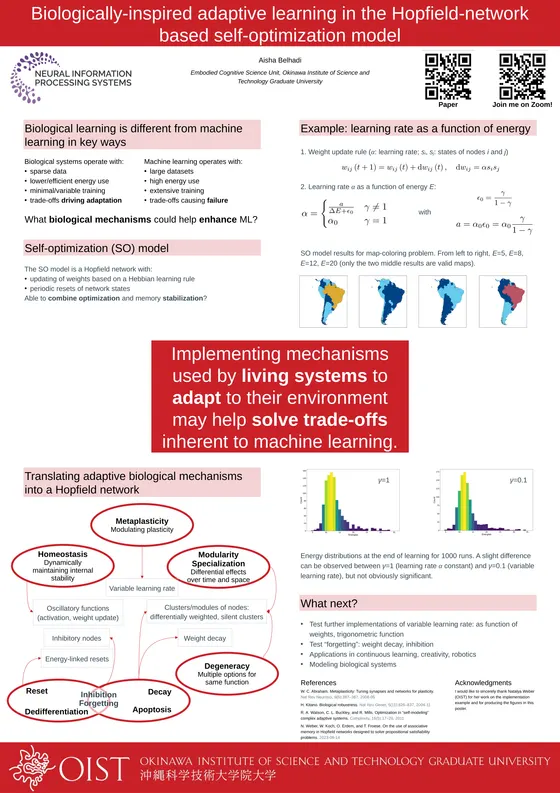
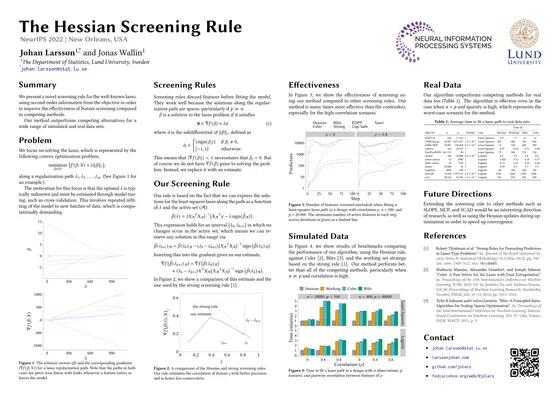
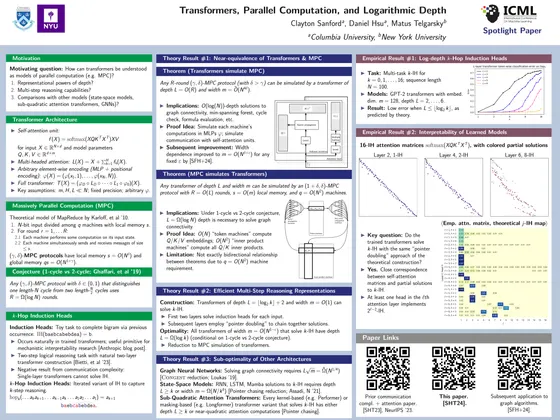
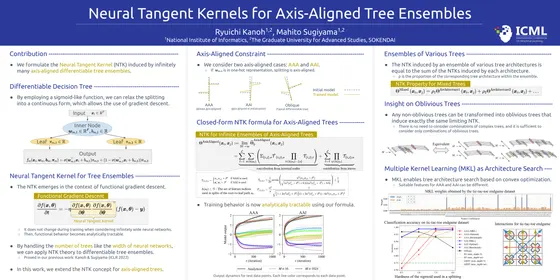
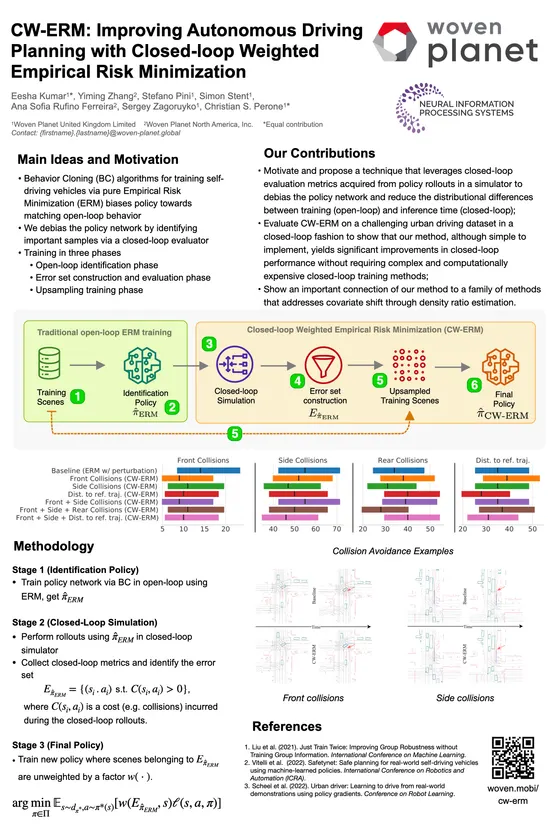
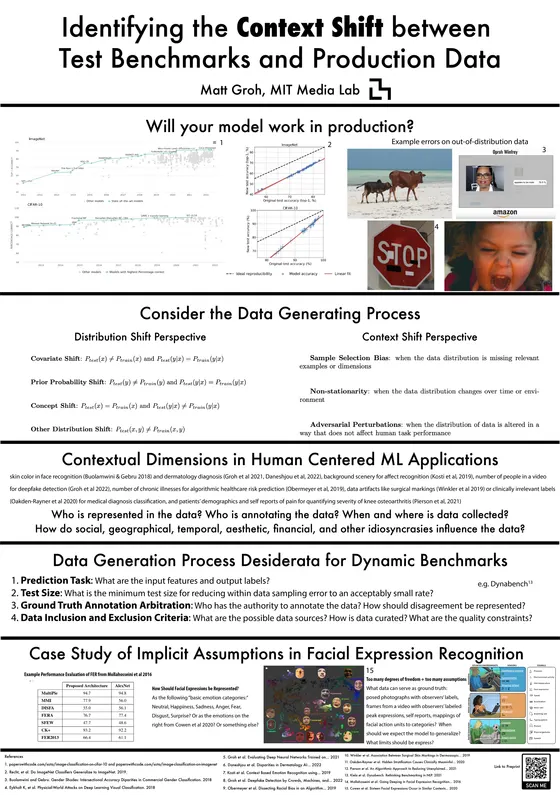
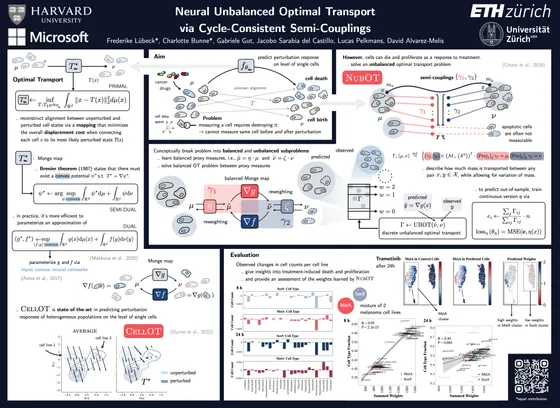
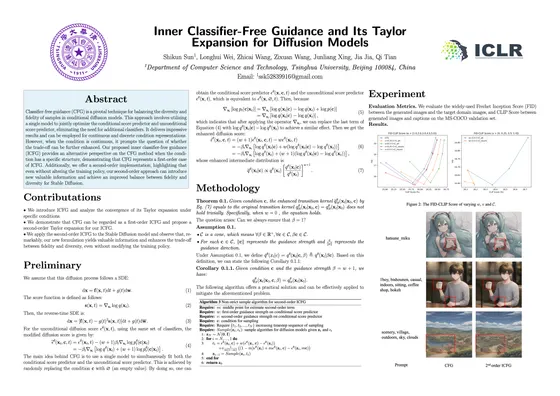
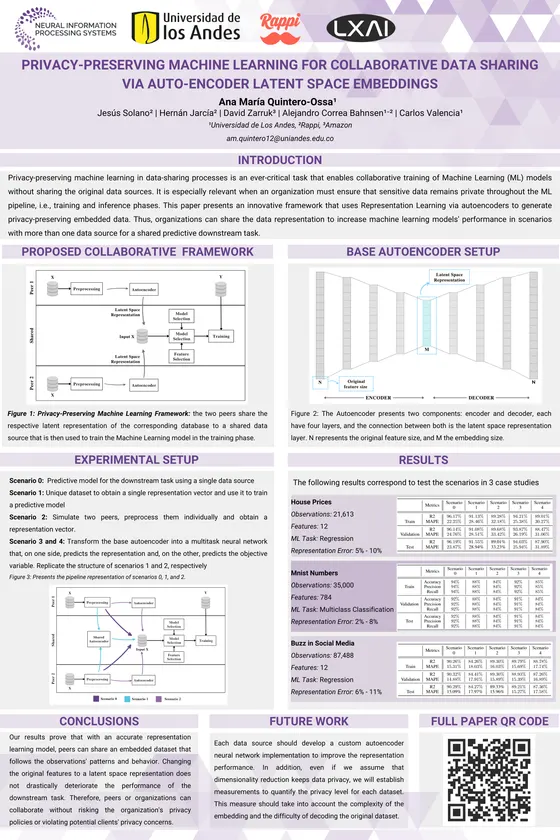
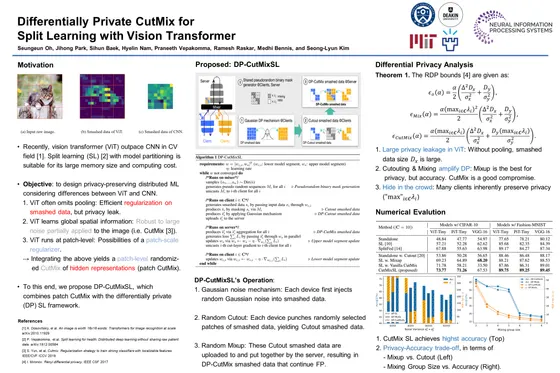
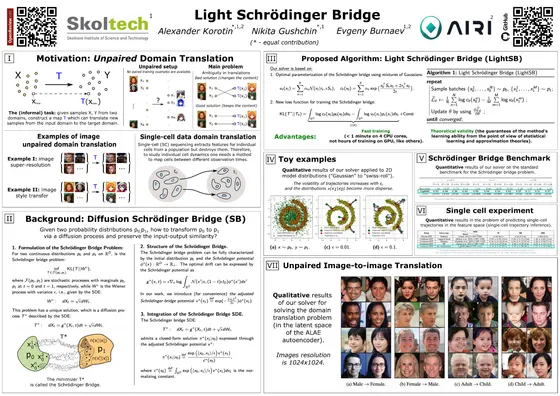
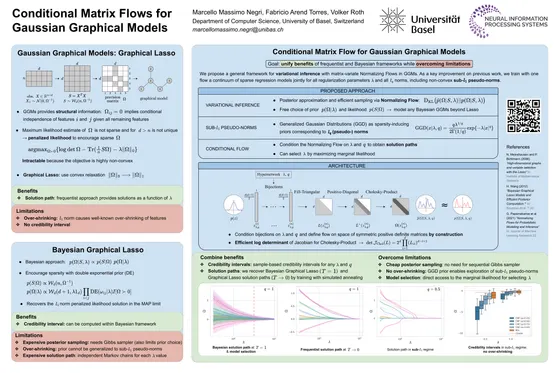


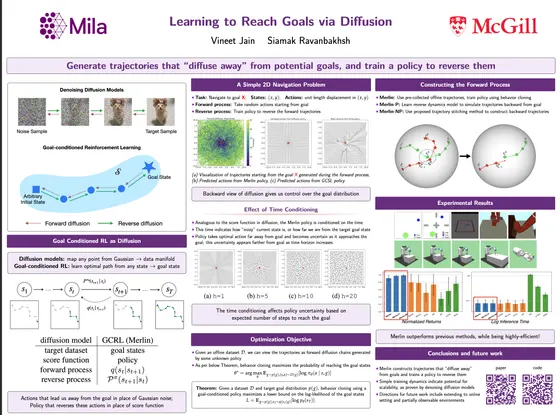
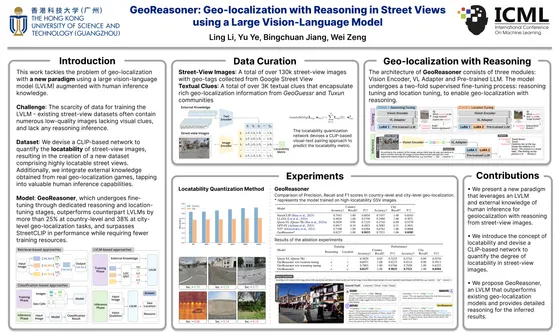
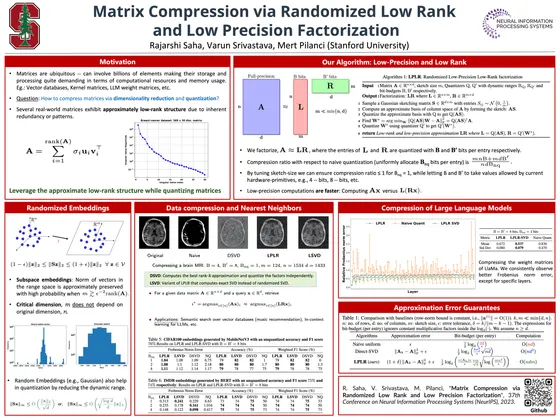
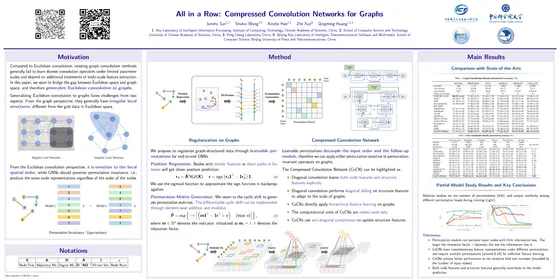
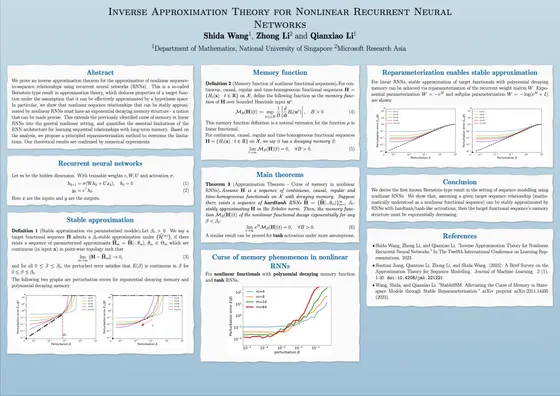
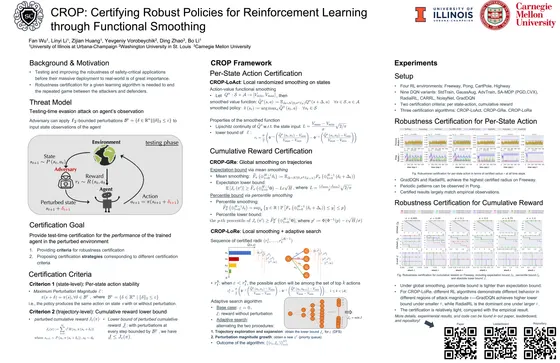
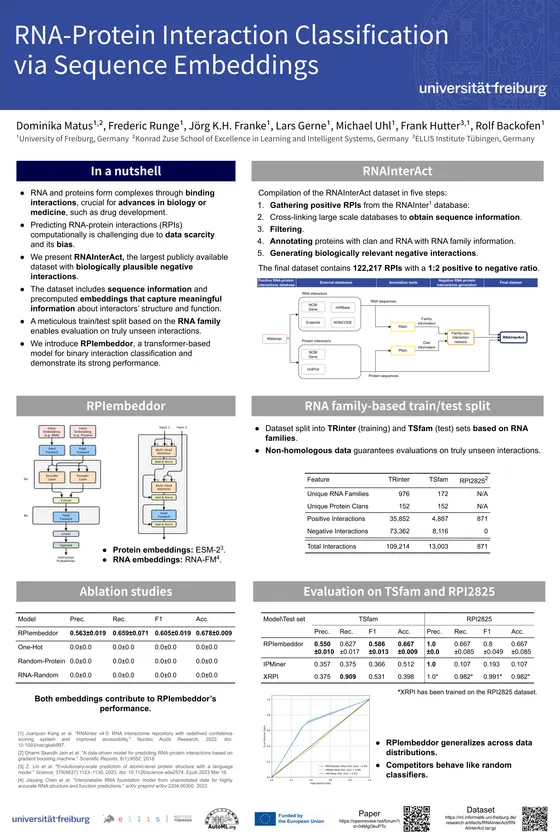
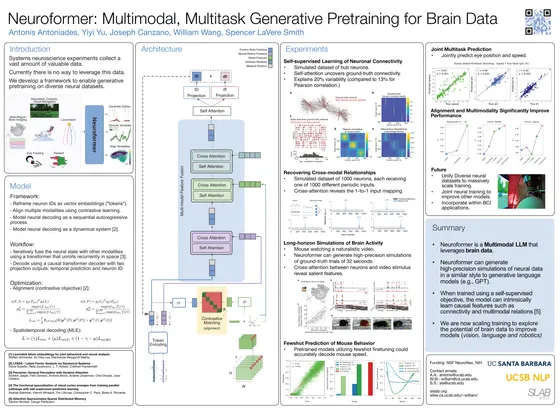
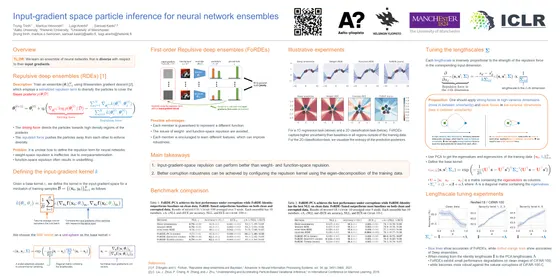
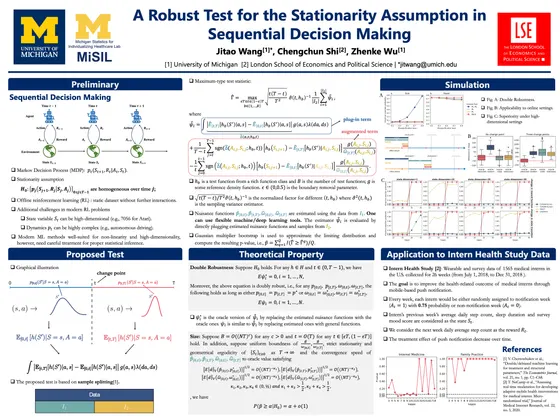
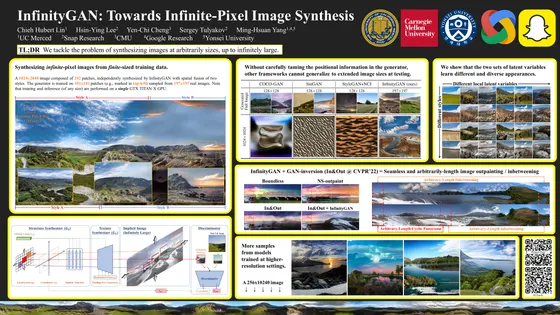
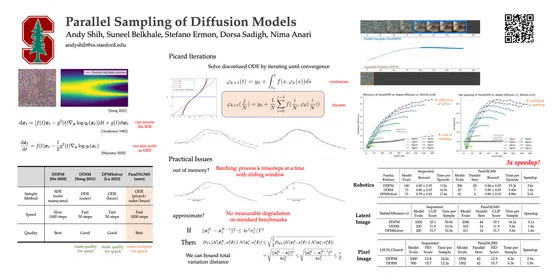
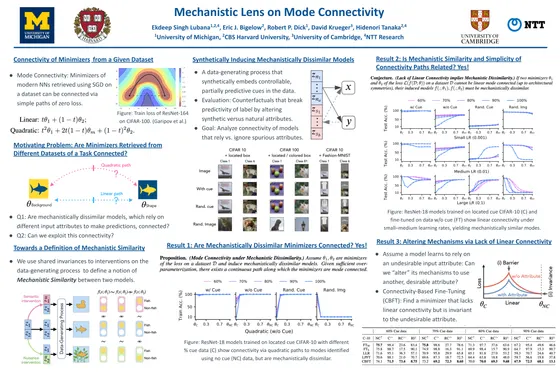
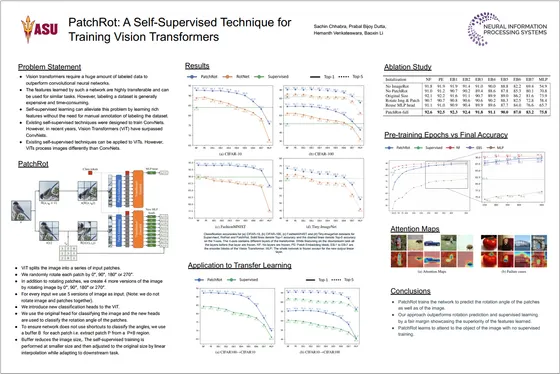
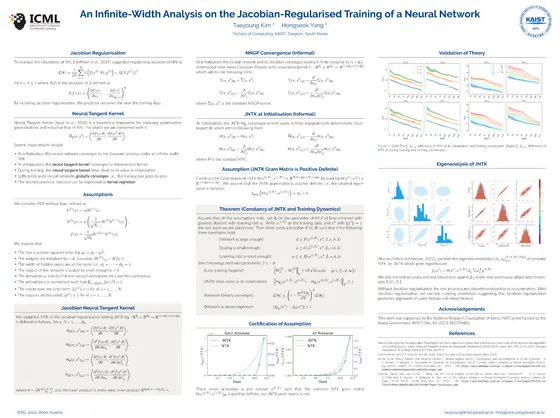
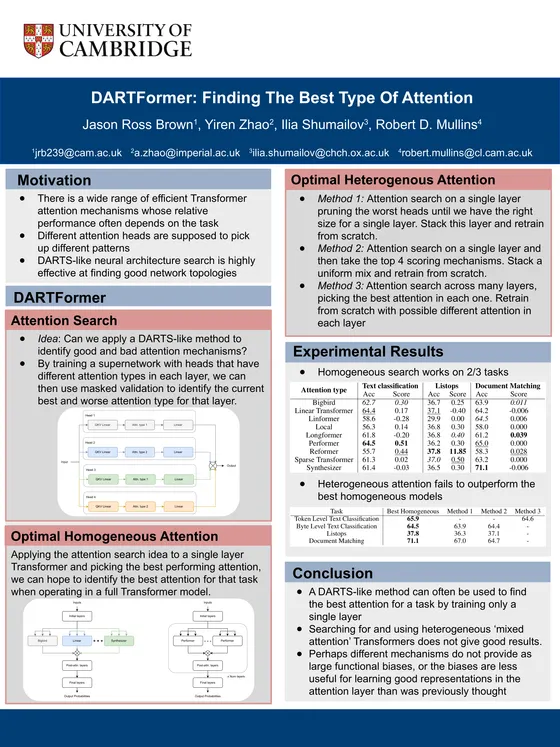
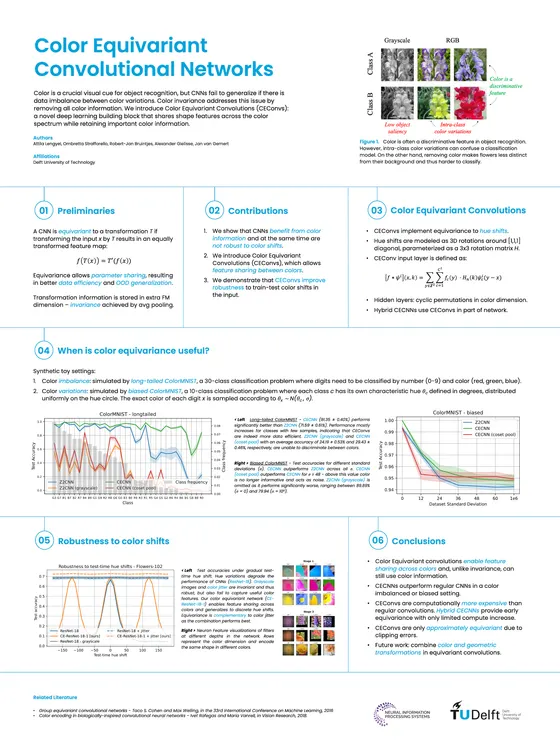
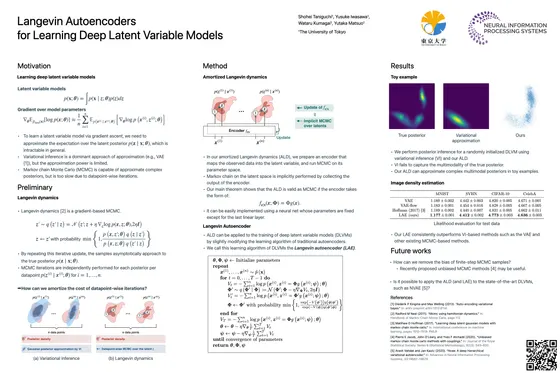
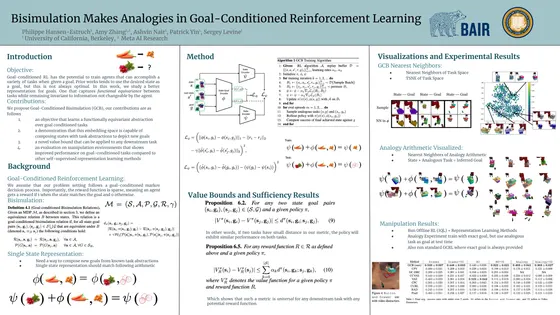
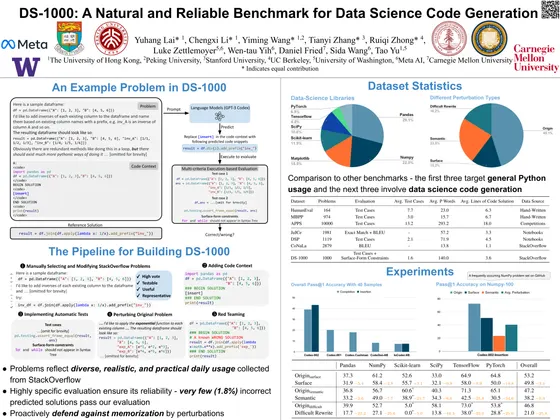
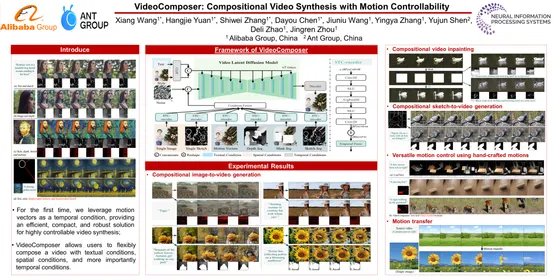
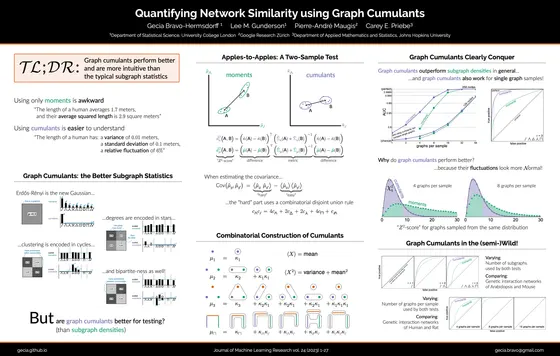
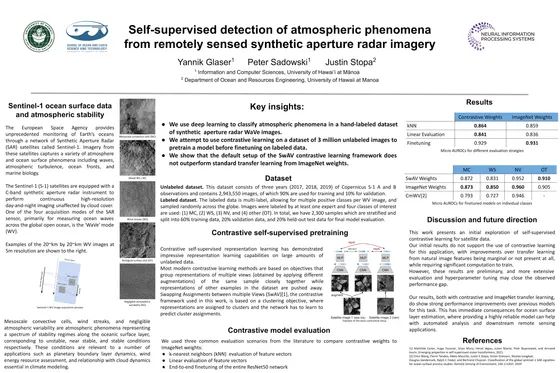
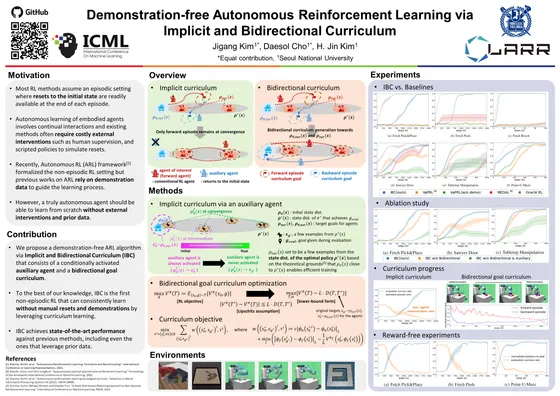
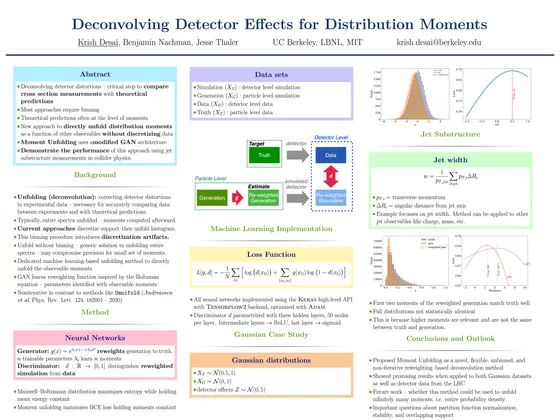

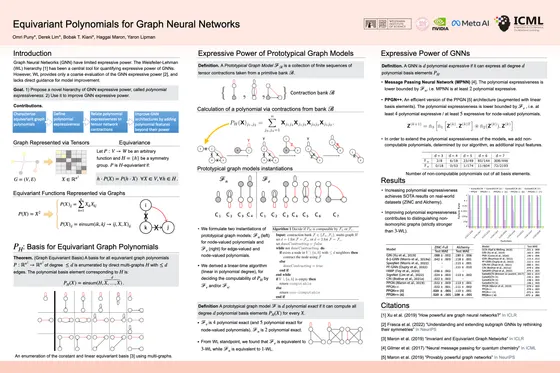
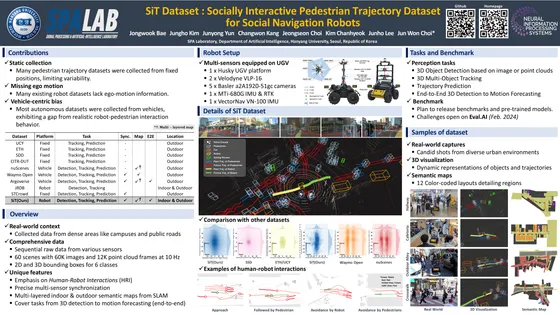
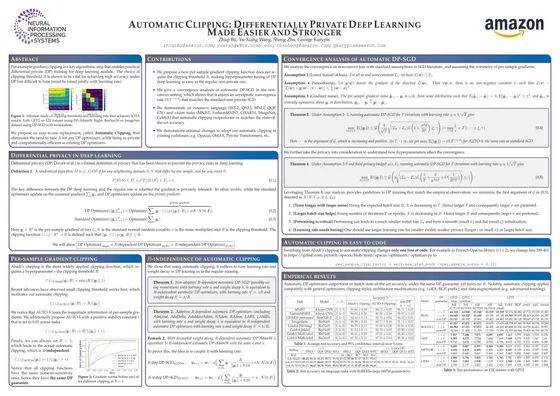

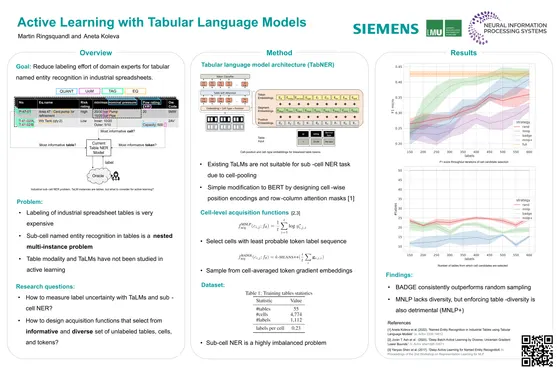
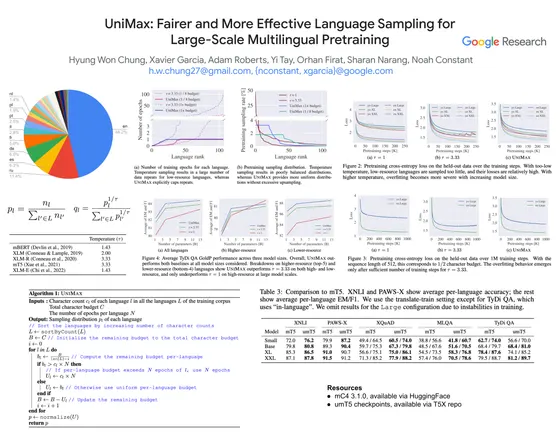
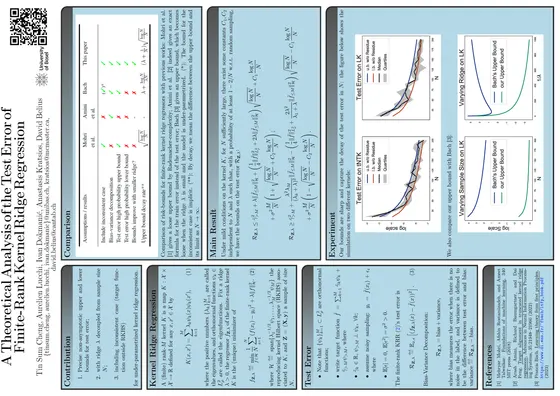
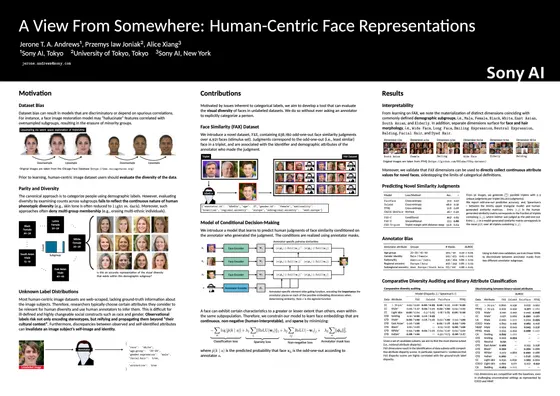
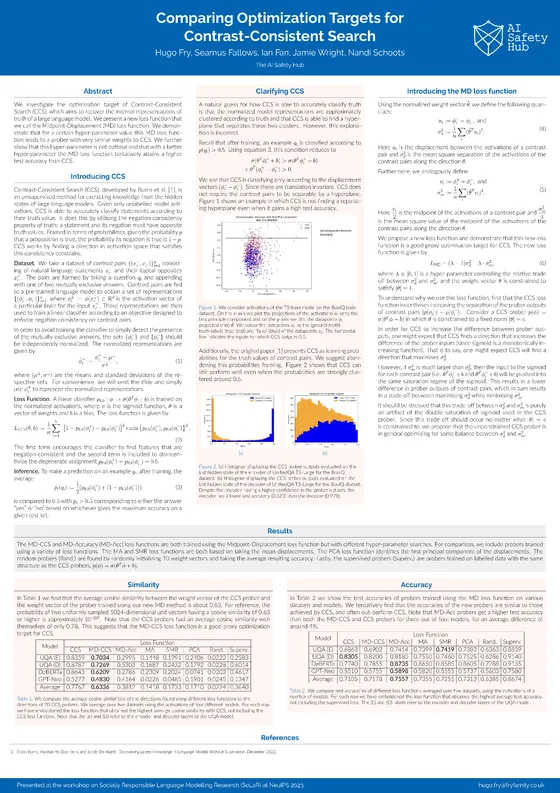
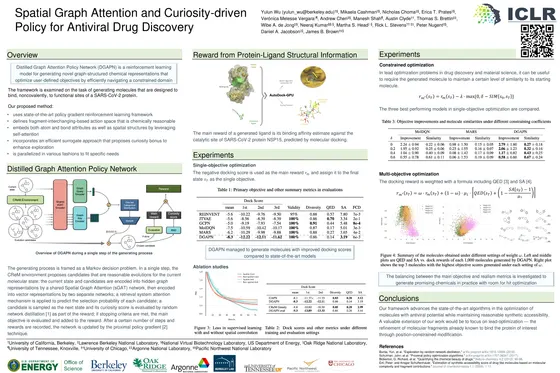
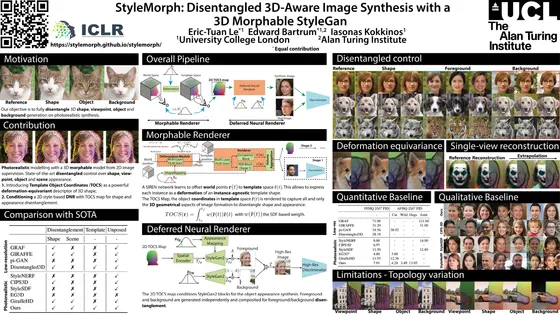
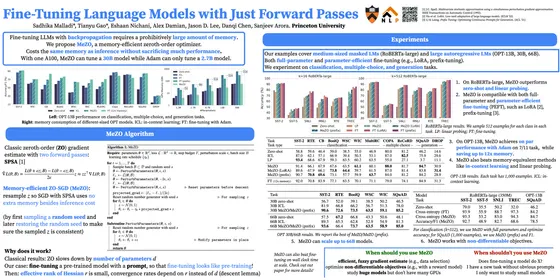
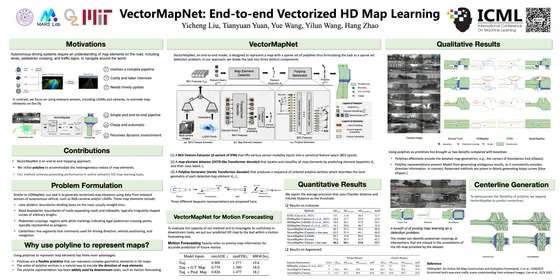
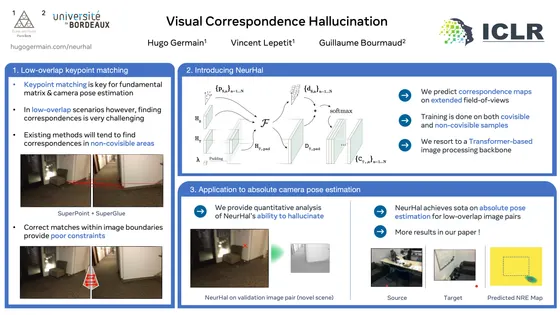
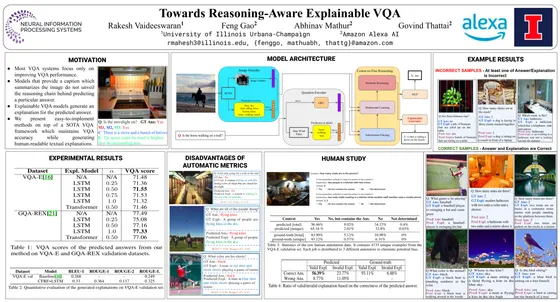
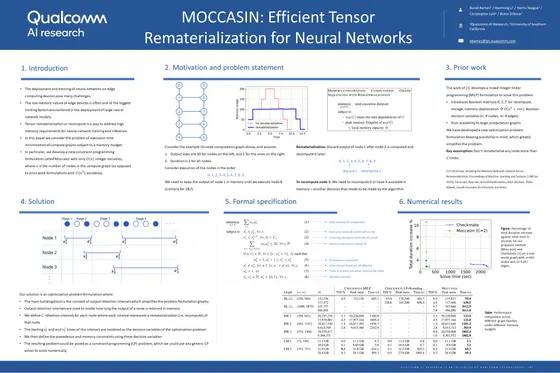
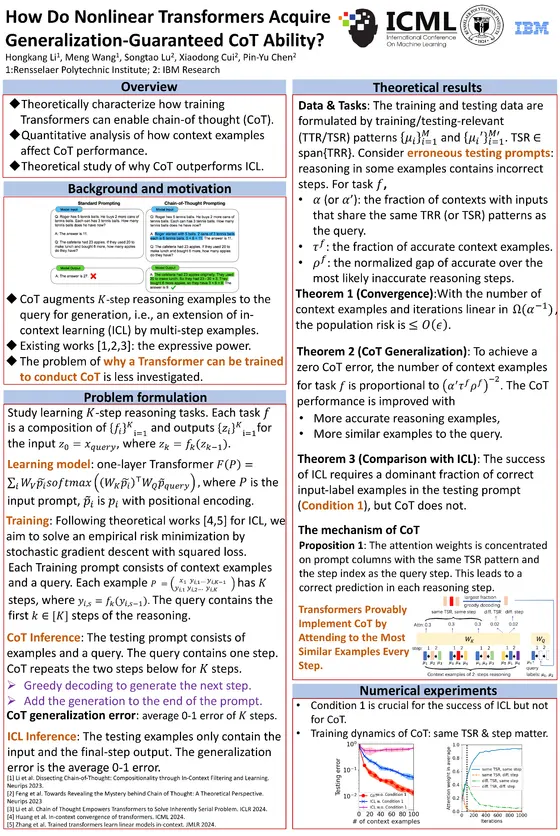
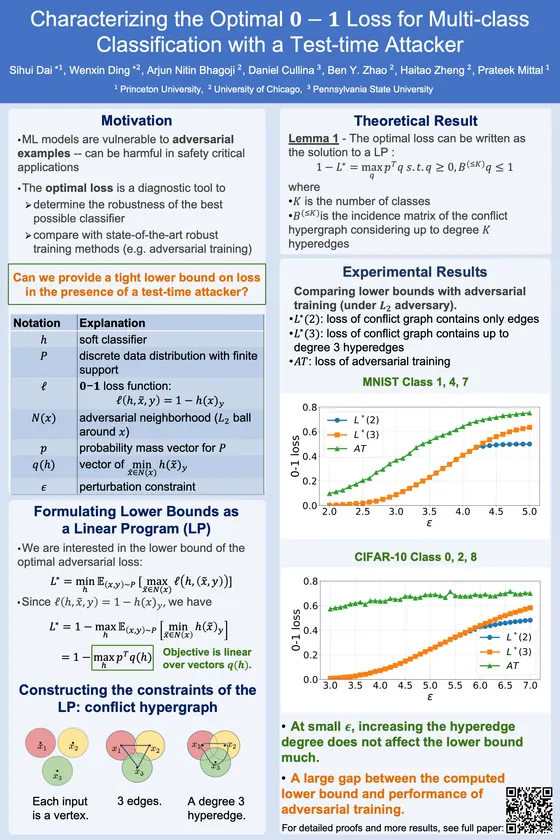

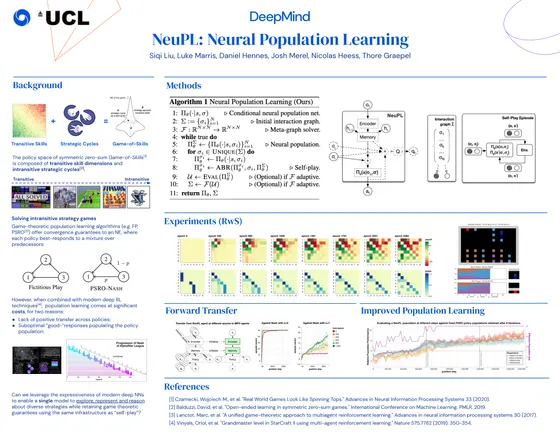
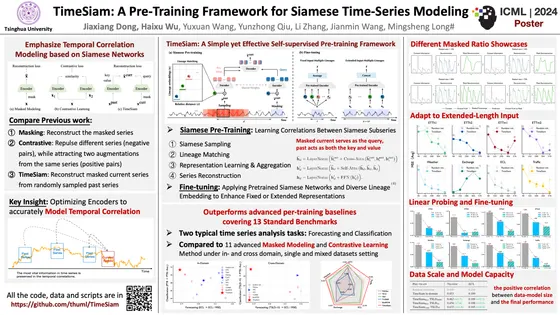
![Uni[MASK]: Unified Inference in Sequential Decision Problems — NeurIPS 2022 poster](https://assets.paperclaw.org/uploads/scientific-poster-design/uni-mask-unified-inference-in-sequential-decision-problems-thumb.webp)
![[Re] Graph Edit Networks — NeurIPS 2022 poster](https://assets.paperclaw.org/uploads/scientific-poster-design/re-graph-edit-networks-thumb.webp)
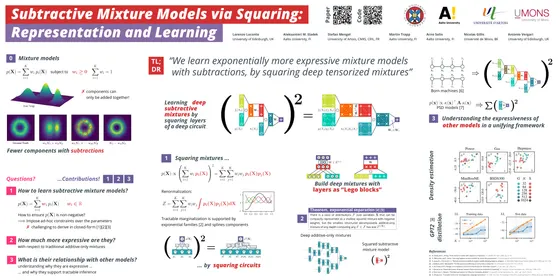
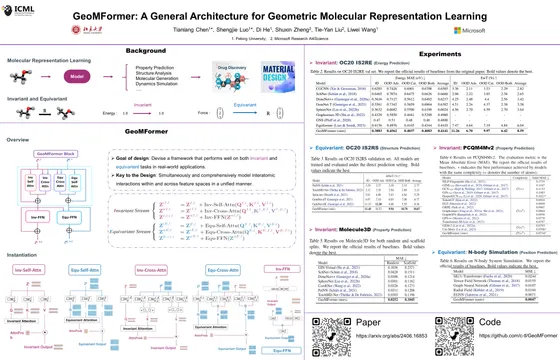
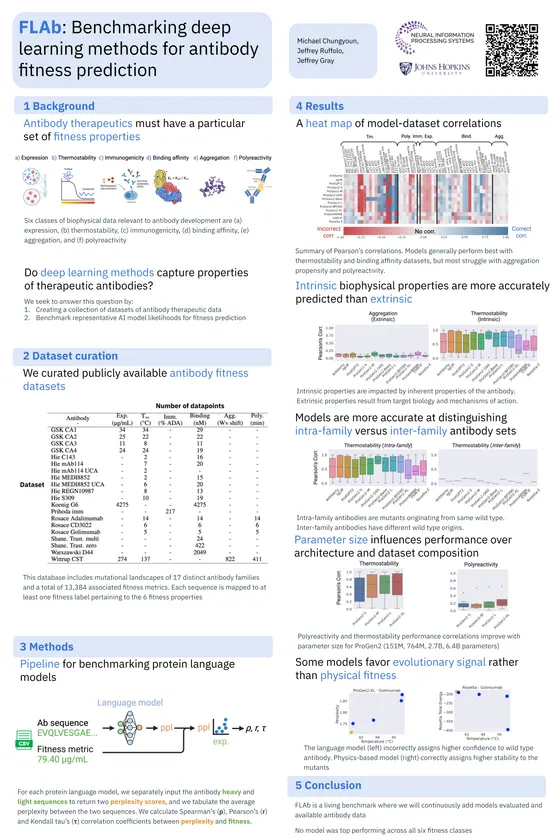
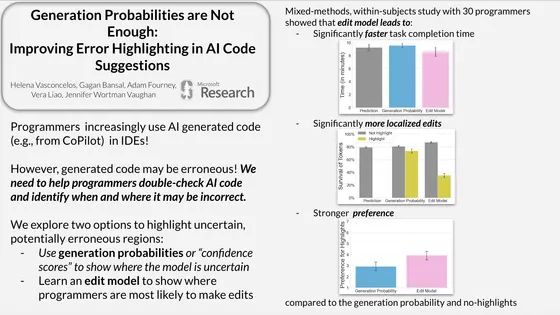
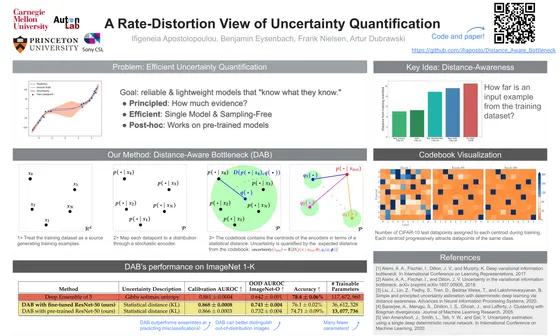
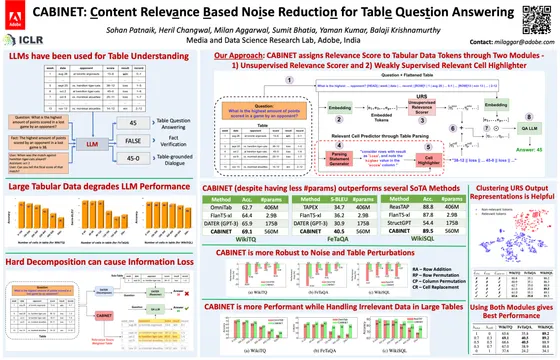
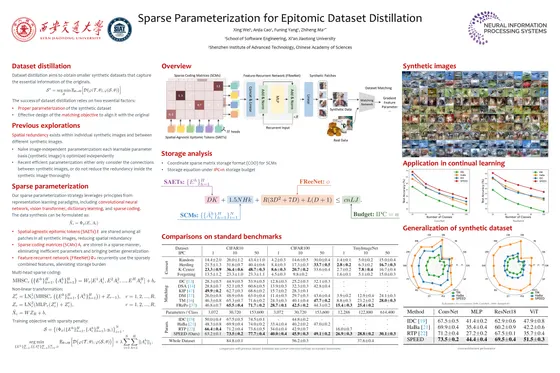
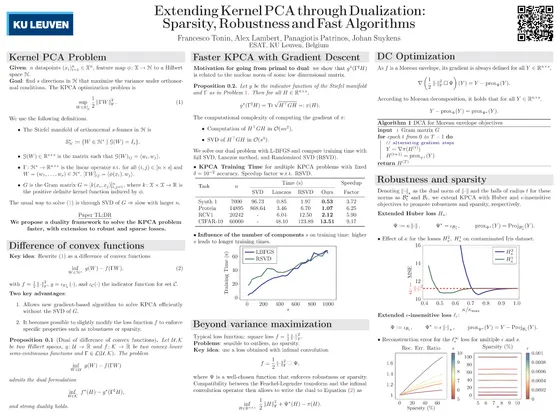
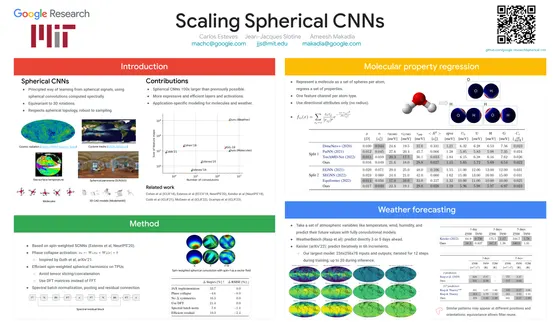
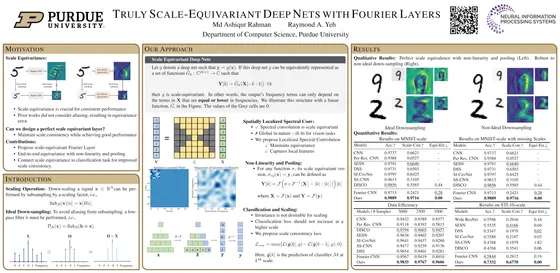
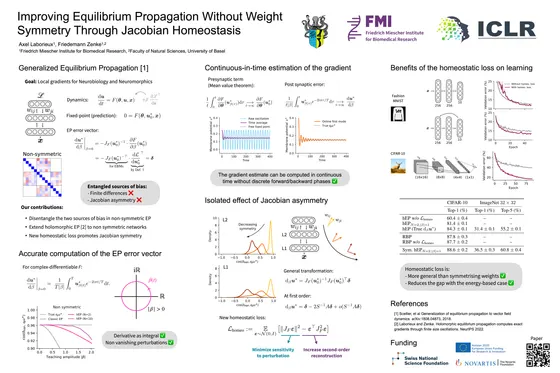
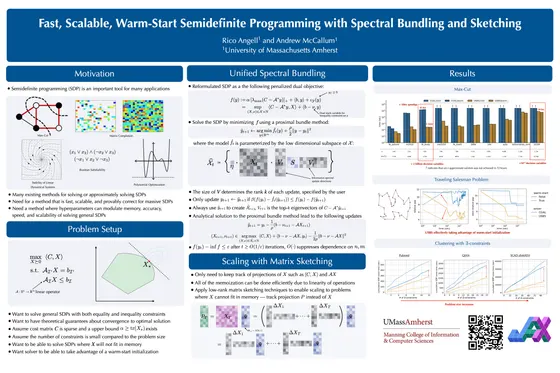
How to design a scientific poster
Four principles behind strong scientific poster design — a checklist for academic poster design and research poster design when you build your own.
- 1
Start from a clear reading order
Good scientific poster design guides the eye top-to-bottom, left-to-right. Arrange panels so a viewer moves from problem to method to results without backtracking — the same column flow the posters in this gallery use.
- 2
Let one figure carry the story
Pick the single figure that proves your contribution and give it room. Most strong conference posters lead with one hero visual, then support it with smaller charts and tables placed beside the claim they back.
- 3
Cut text to what a passer-by can read
A poster is read in seconds, not minutes. Use short headings, bullet takeaways, and generous white space. The aim of scientific poster design is comprehension at a glance, not a printed paper.
- 4
Keep type and color consistent
One or two type sizes for headings and body, a restrained accent color, and aligned panels make a poster look designed rather than assembled. Consistency reads as credibility.
Scientific poster design FAQ
Common questions about designing academic conference posters.